
SOUTH
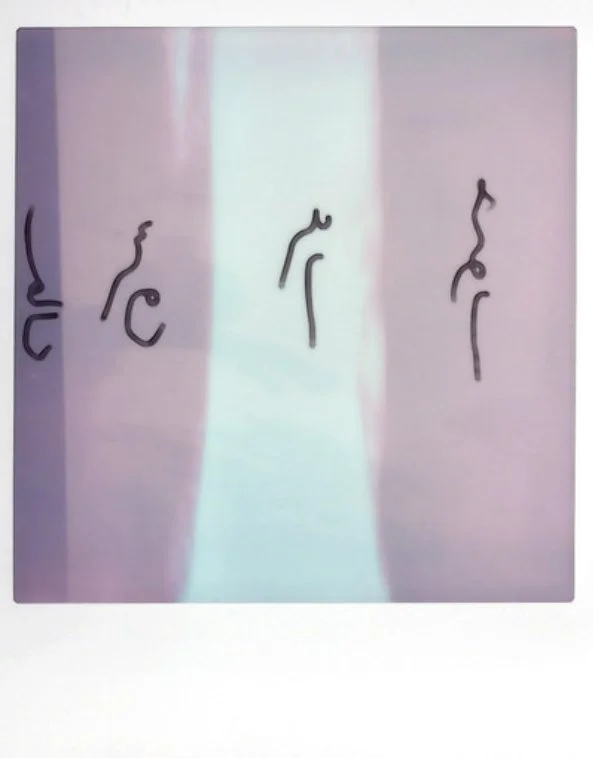
جنوب
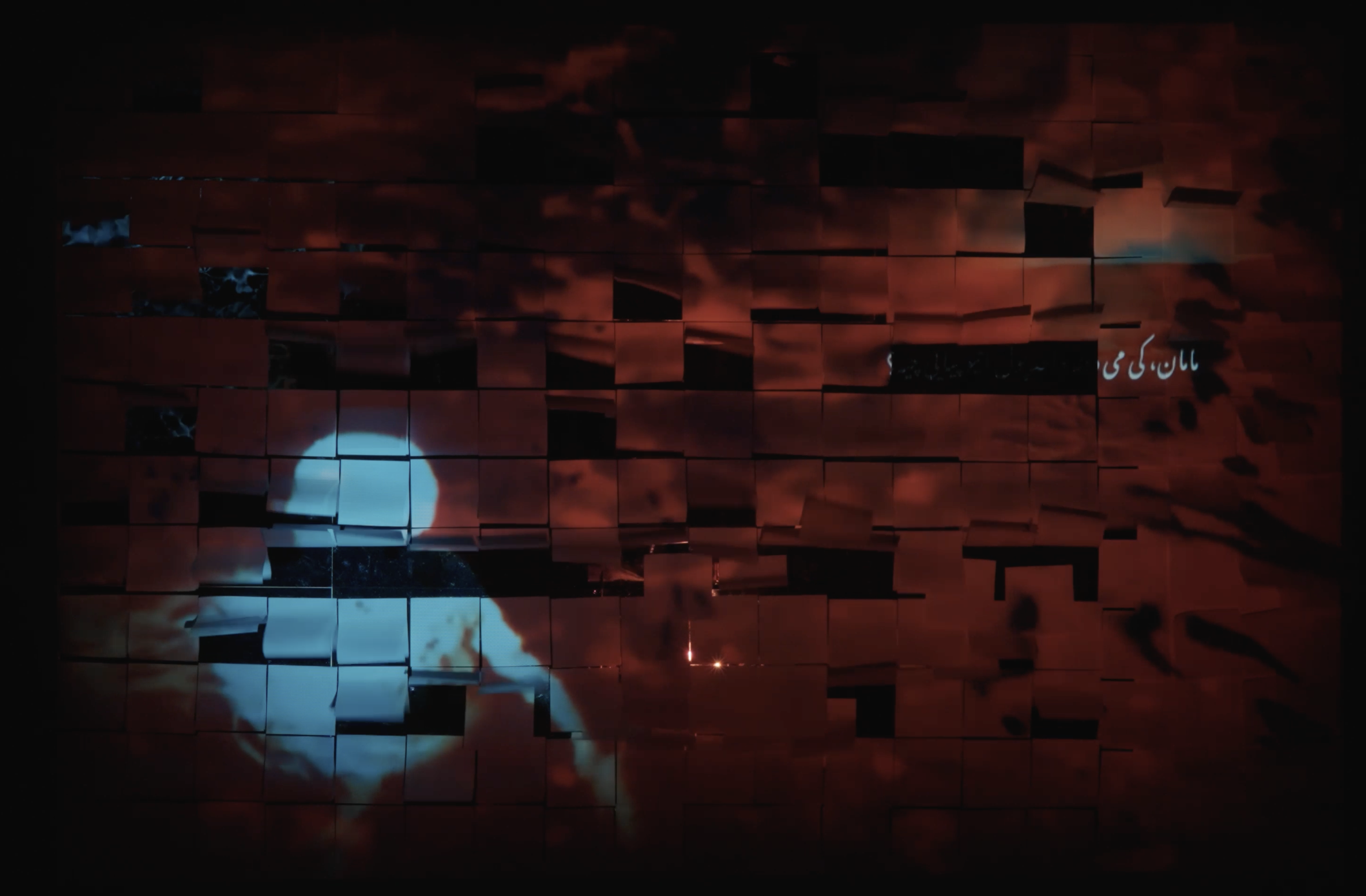
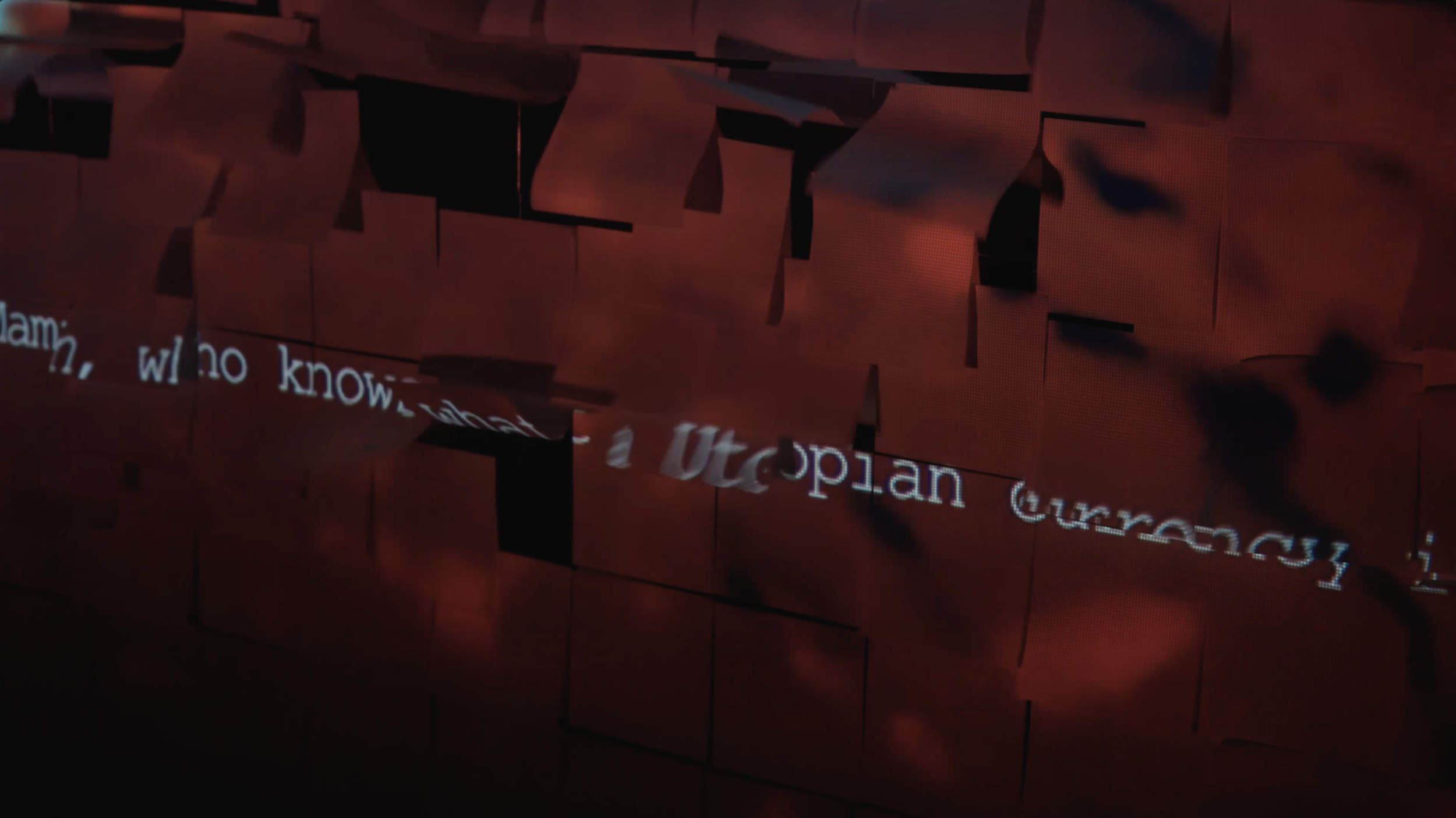
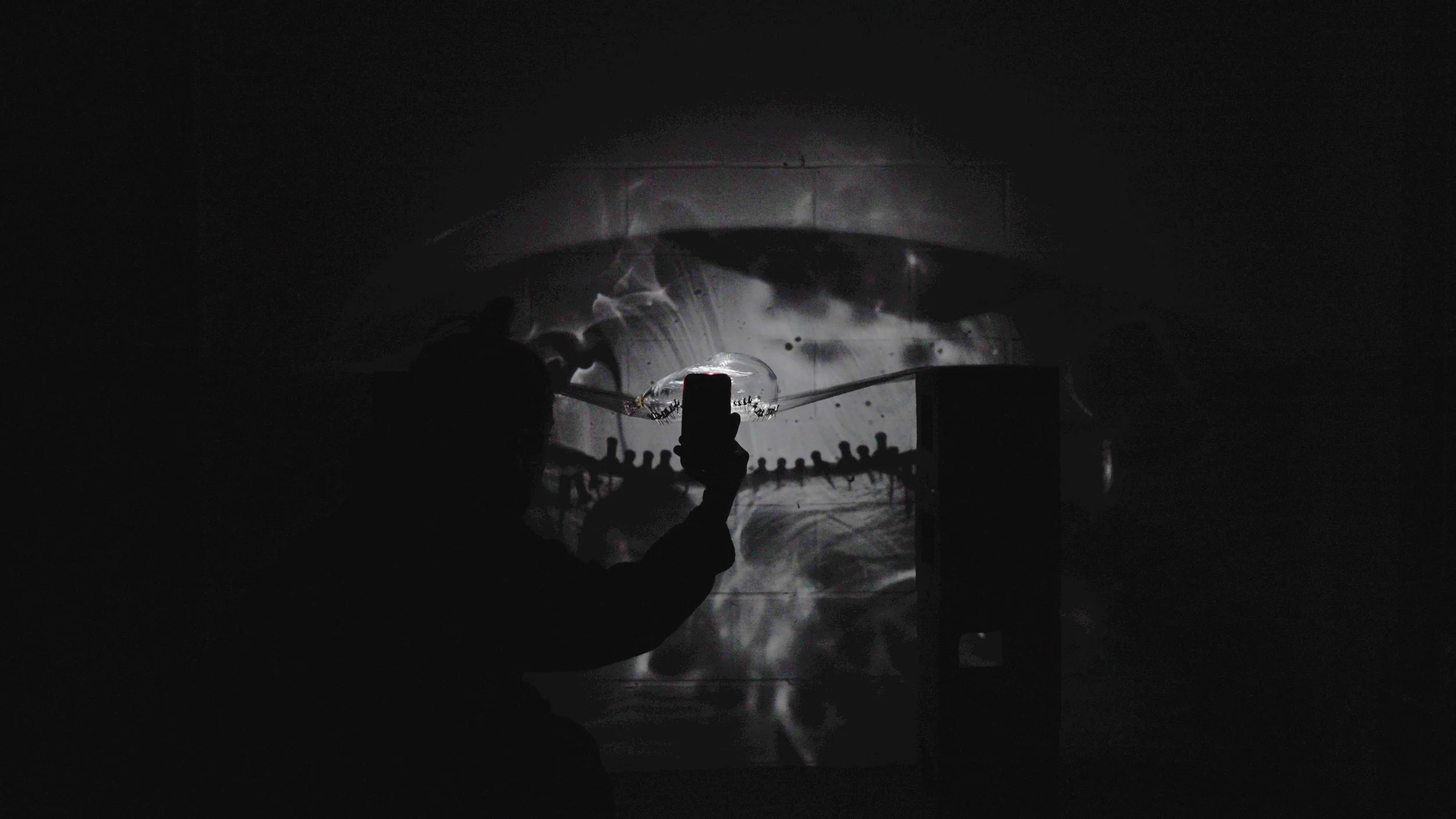
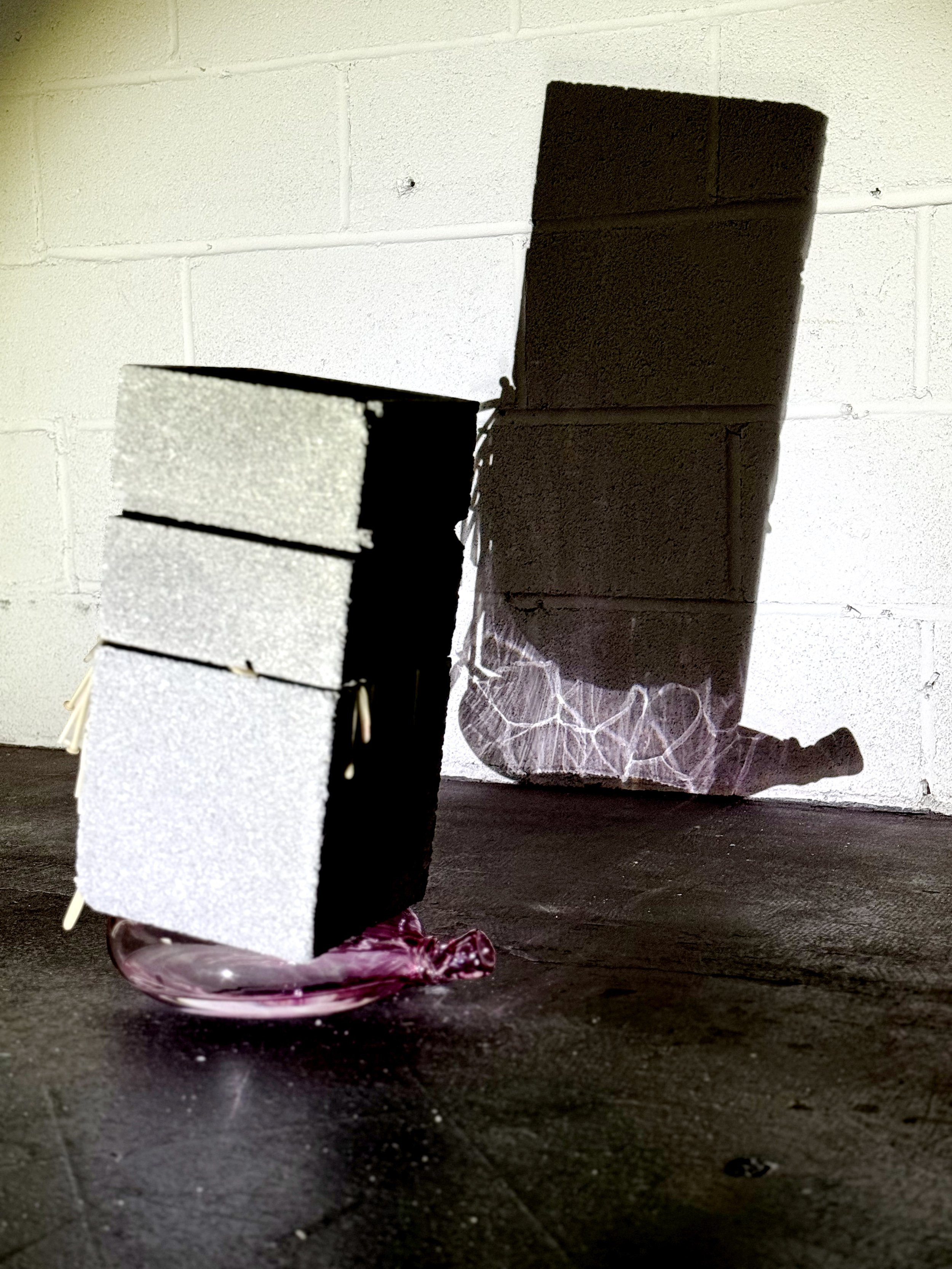
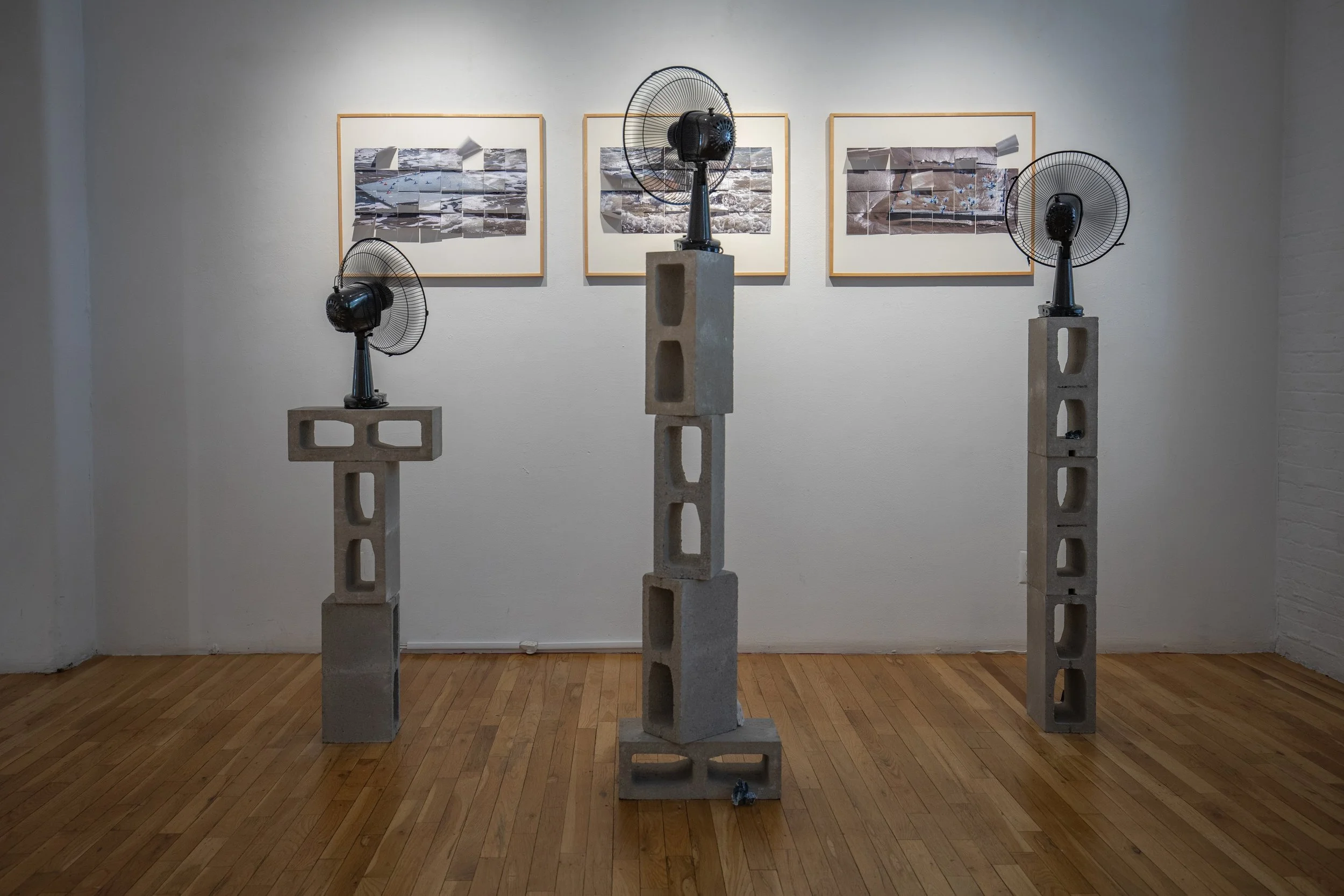
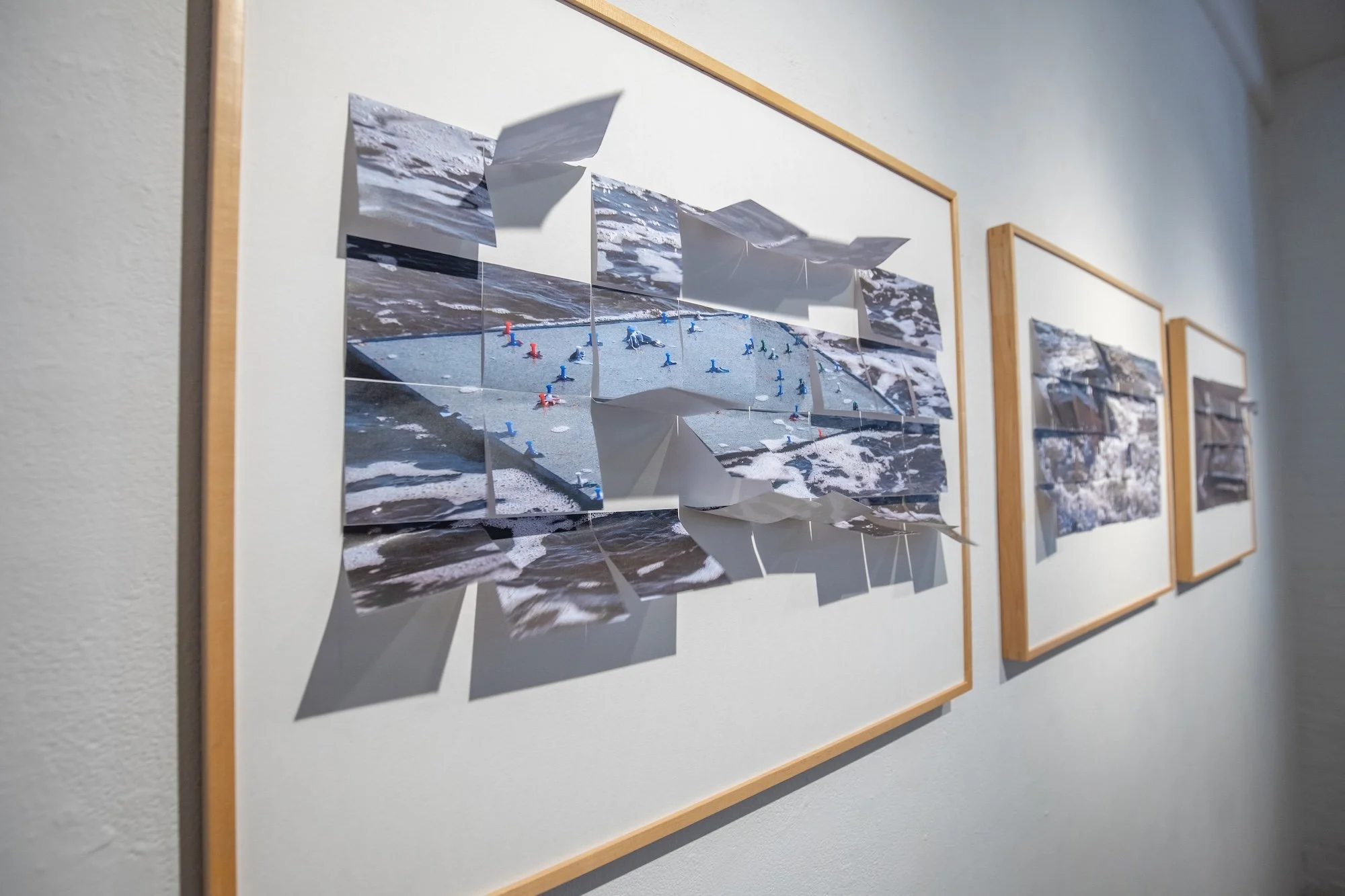
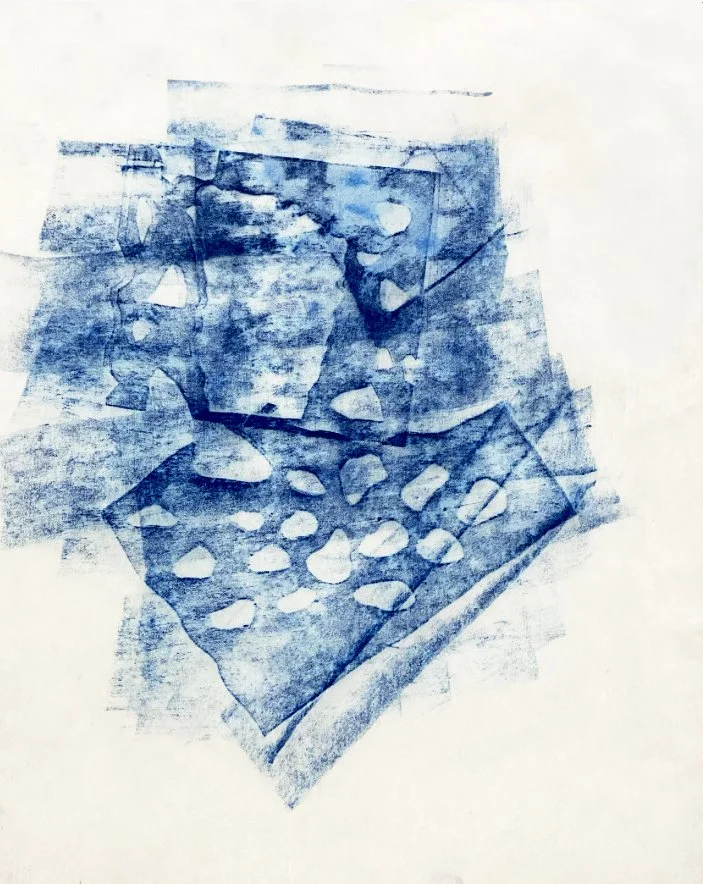
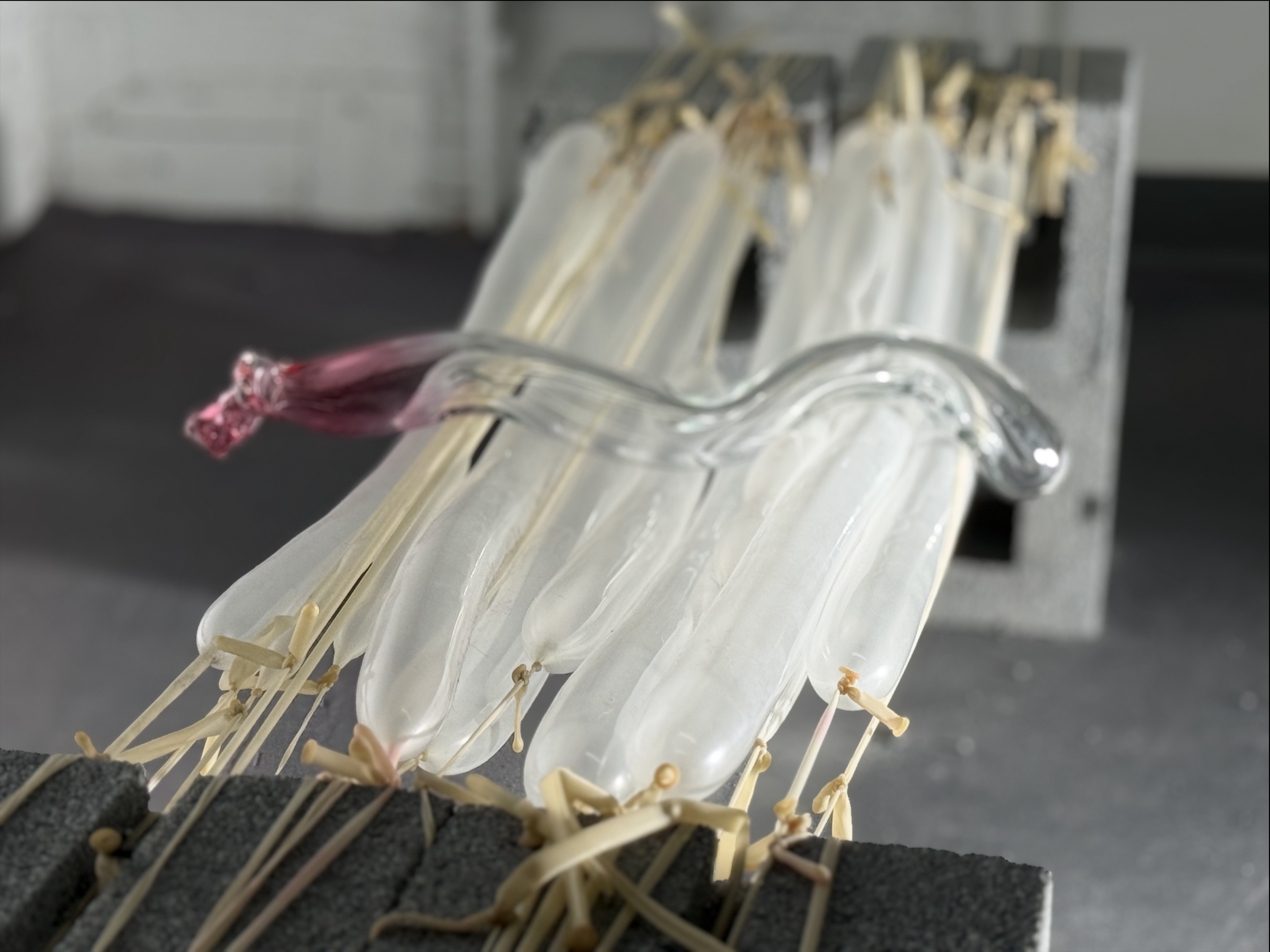
2026, Installation, Variable dimensions — Materials: white sticky notes, floor fan, semi-reflective plastic substrate, single-channel video projection. Duration: 15 minutes total
PEGAH PASALAR
Artist Statement
I am developing a long-term project titled Exodus Pathologyآسیب شناسی خروج, rooted in and responding to a history that has been kept largely unwritten: the legacy of African slavery in Iran, and the way that legacy converges, geographically and economically, with the emergence of oil. The project follows an extractive logic that moves between bodies, resources, and memory, treating displacement not as a past event, but as an unfolding. As part of the research, I work with maps drawn by medieval Islamic cartographers, who placed south at the top of the page. Reorienting the world this way is not a metaphor for me—it is a working method. It changes what counts as a center, what counts as a margin, and what a history of extraction looks like when it is read from the other end.
My practice traces blanks: gaps, silences, and erasures produced within historical and linguistic structures, as well as the moments in which they are pushed back against. The work asks how memory persists when the archive, the language, or the image it depended on has been disrupted. Archives—both institutional and embodied—are not neutral storage; they reveal and obscure in the same gesture. Within this condition, absence becomes a working material.
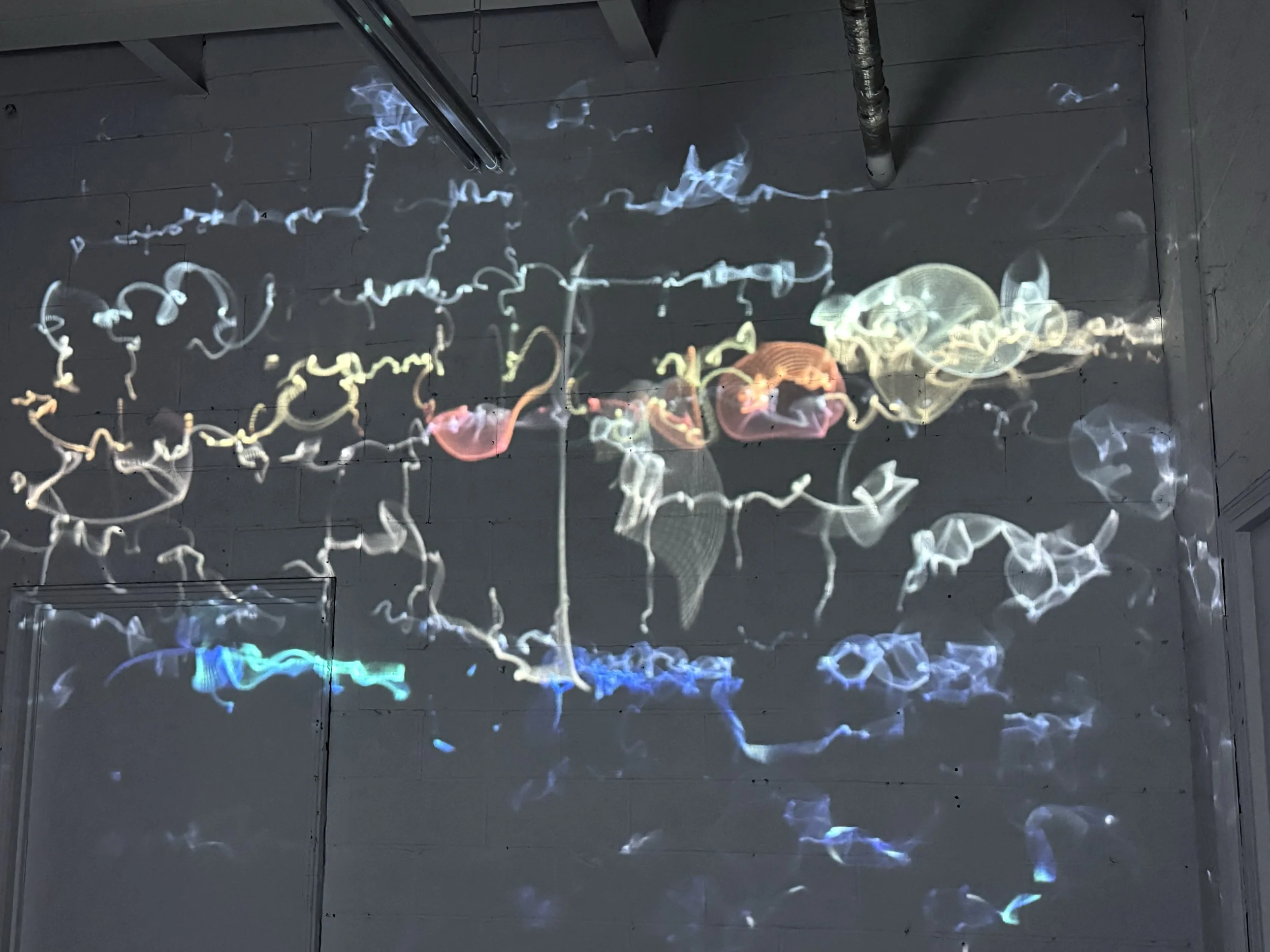
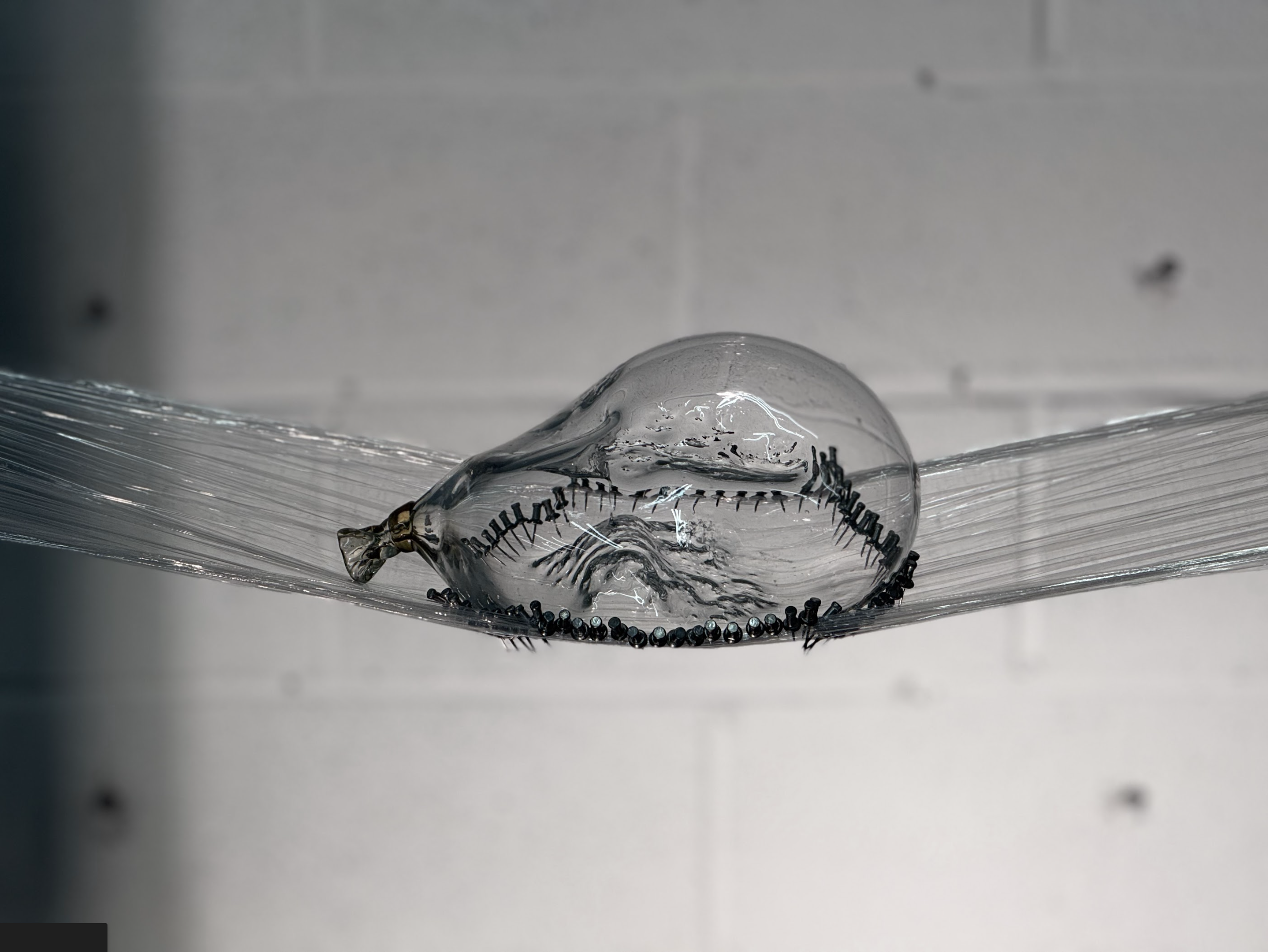
I work across moving image, installation, sculpture, text, and drawing. The work proceeds through iteration and seriality—versions of a problem rather than resolutions—so form remains deliberately unresolved. Images, in this practice, behave more than they represent: they shift with the systems that carry them. Materials act as narrative agents. Cinematic cuts expose their own logic, surfaces refuse to cohere, and light both illuminates and distorts what it touches.
Displacement is both the ground of the work and its recurring form: things suspended, disoriented, in translation, on a threshold. The question underneath all of it is what perception—and history—look like when the south is at the top.