
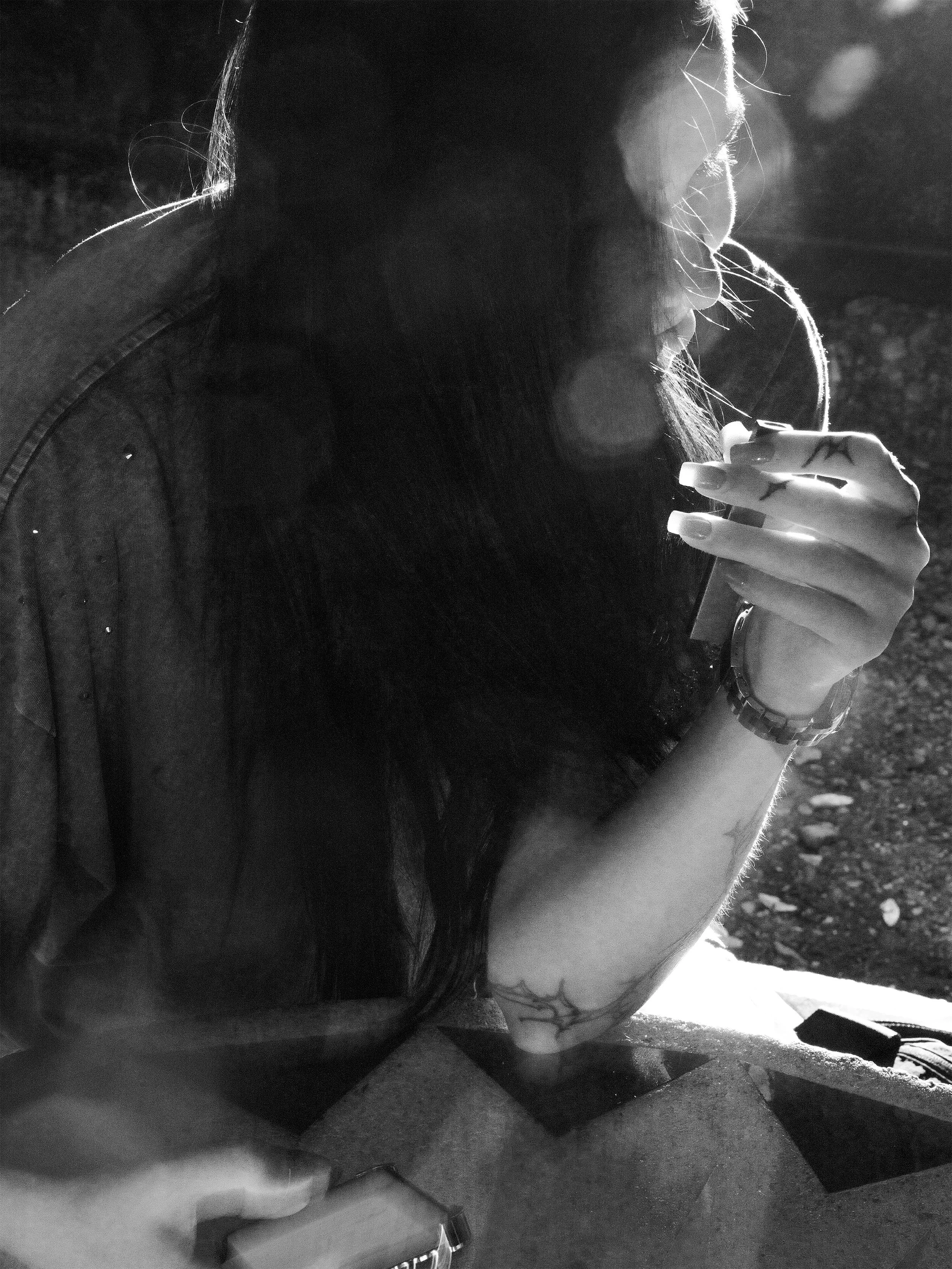
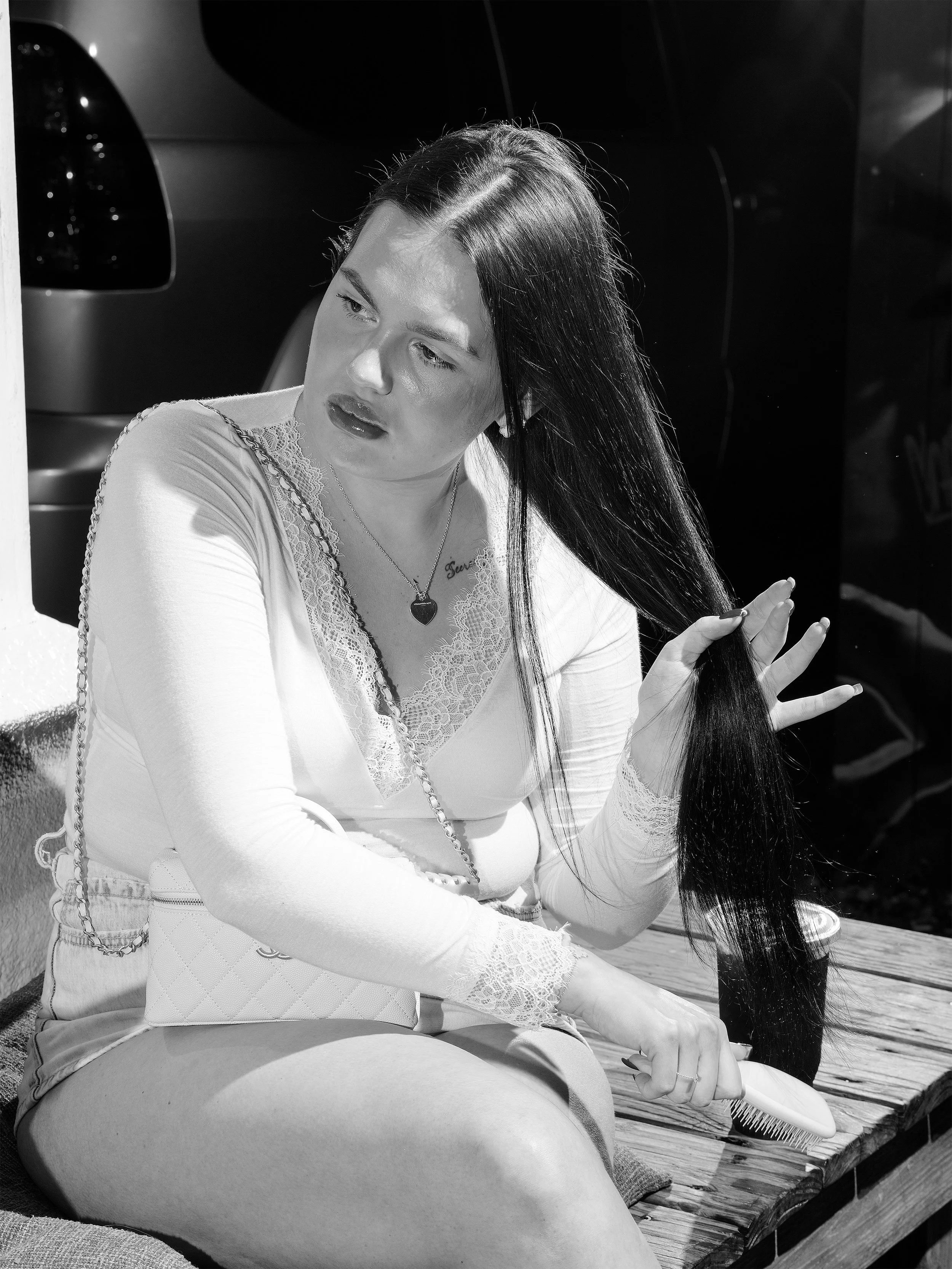
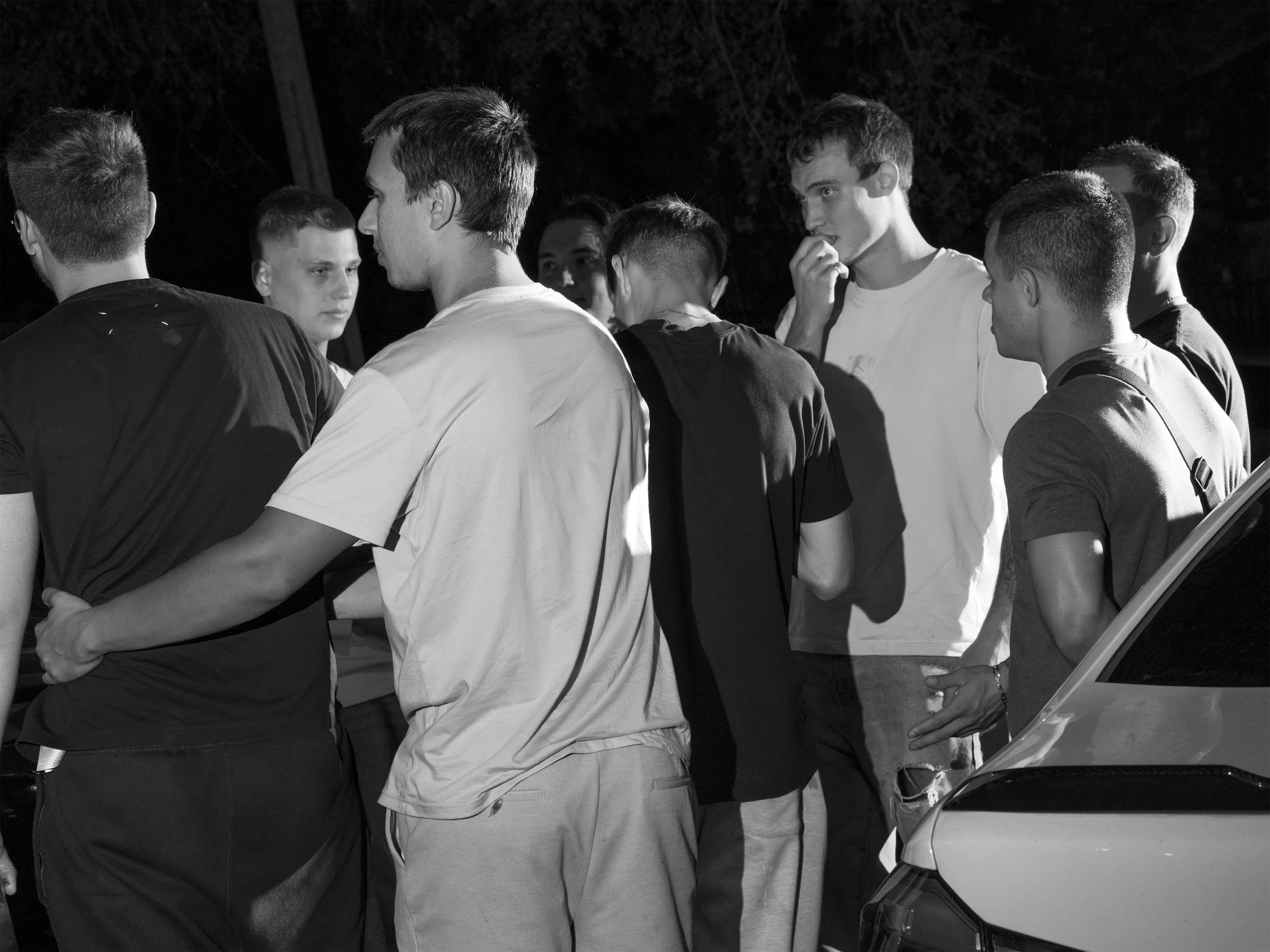
Glint, 2025, Fort Lauderdale, Florida / Archival Inkjet Print, 22.5 x 30 inches, Edition of 5.
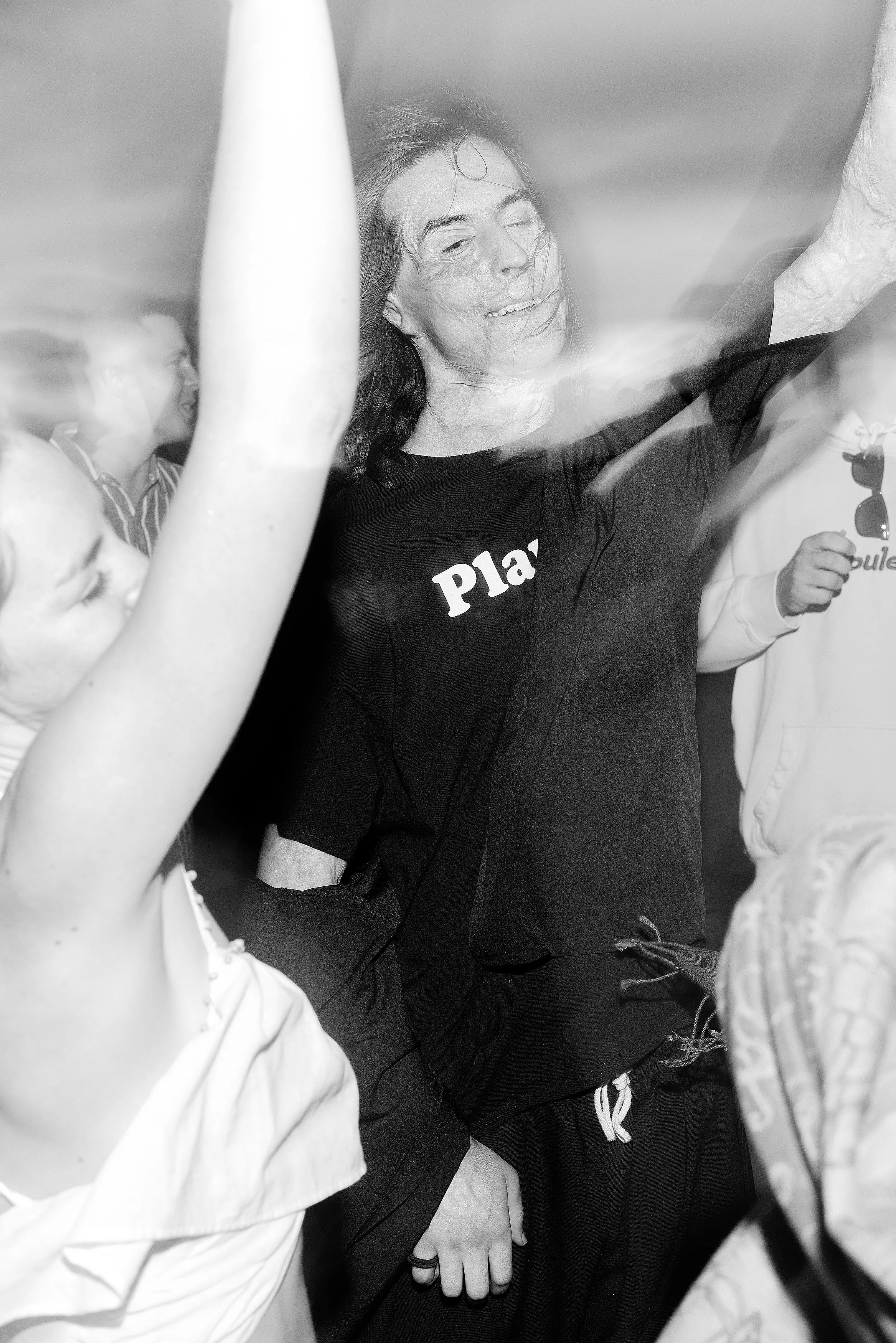
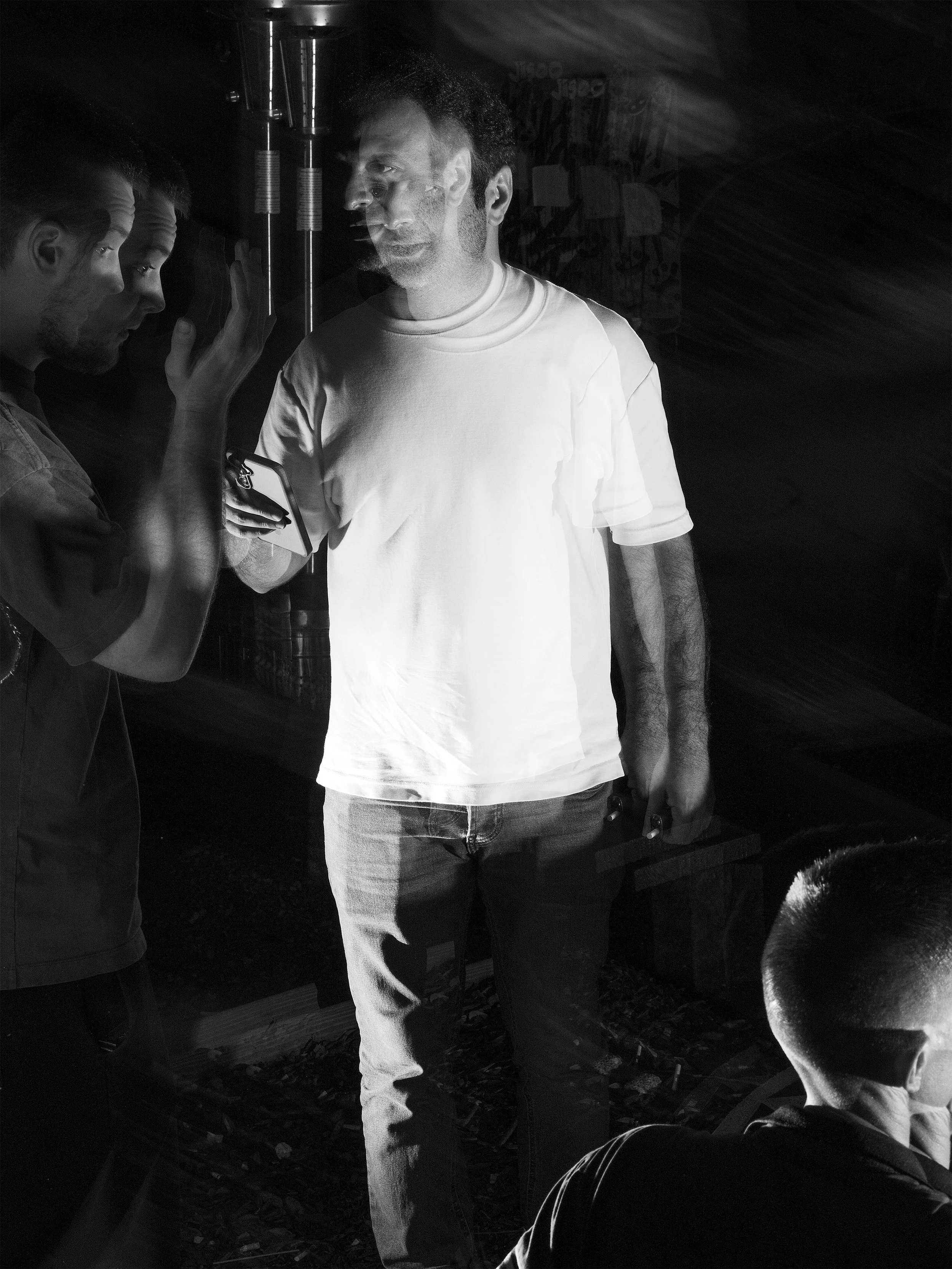
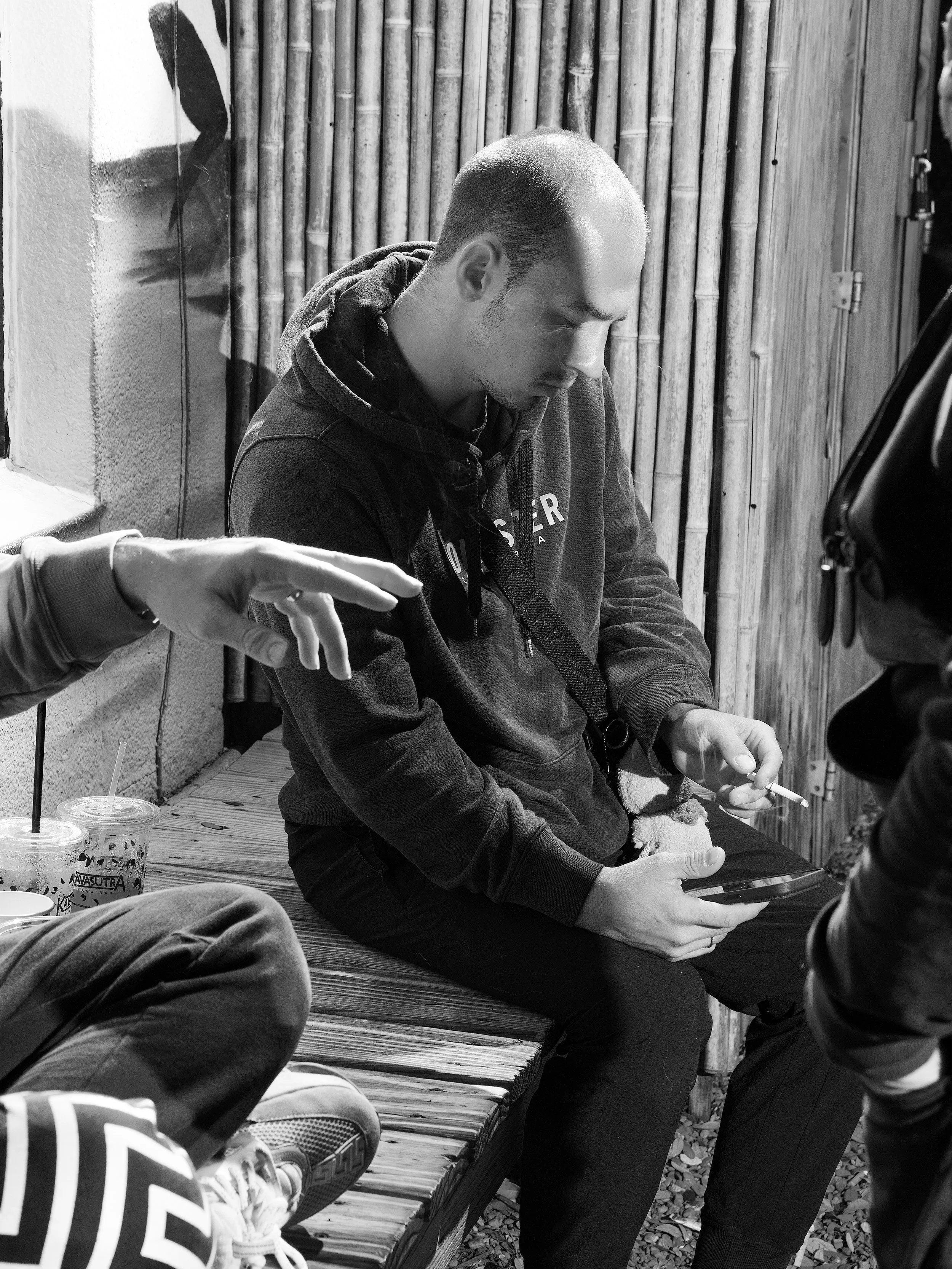
Yulia Spiridonova
Artist Statement
Wayward Son examines contemporary post-Soviet displacement through the intimate social landscapes formed by those who left their home countries under authoritarian pressure and the gradual erosion of civic life. The individuals who appear in this work – Russians, Ukrainians, Belarusians, Georgians, Armenians, among others – have been propelled into movement not by aspiration but by necessity.
Hannah Arendt describes the space of appearances as something that does not exist in advance. It comes into being whenever people gather, speak, and act in the presence of one another – and disappears as soon as they disperse. Wayward Son dissects one of these precarious spaces, allowing the viewer to absorb into the world of immigrants whose lives are shaped by displacement, unfamiliarity, and the exigent necessity to adjust socially, geographically and culturally.
The aftermath of exile produces a nonlinear existence in which legal vulnerability, shifting visa conditions, language barriers, and family separation render the future provisional. Wayward Son operates in the historical shadow of earlier expulsions – most famously the Philosophers’ Ship of 1922. While departures today unfold under a new set of geopolitical conditions, the timeless practice of immigration perseveres ubiquitously and remains relevant.
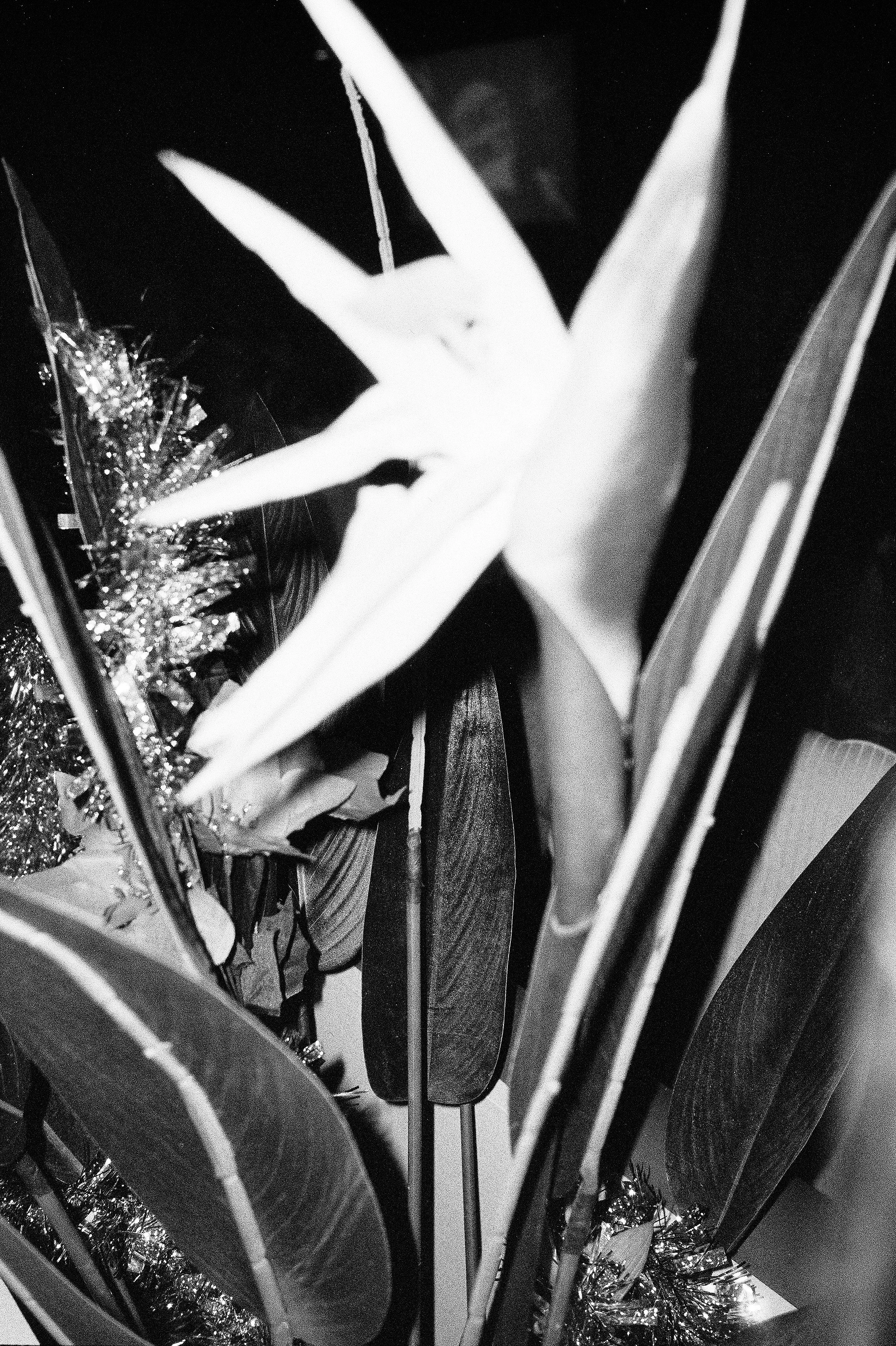
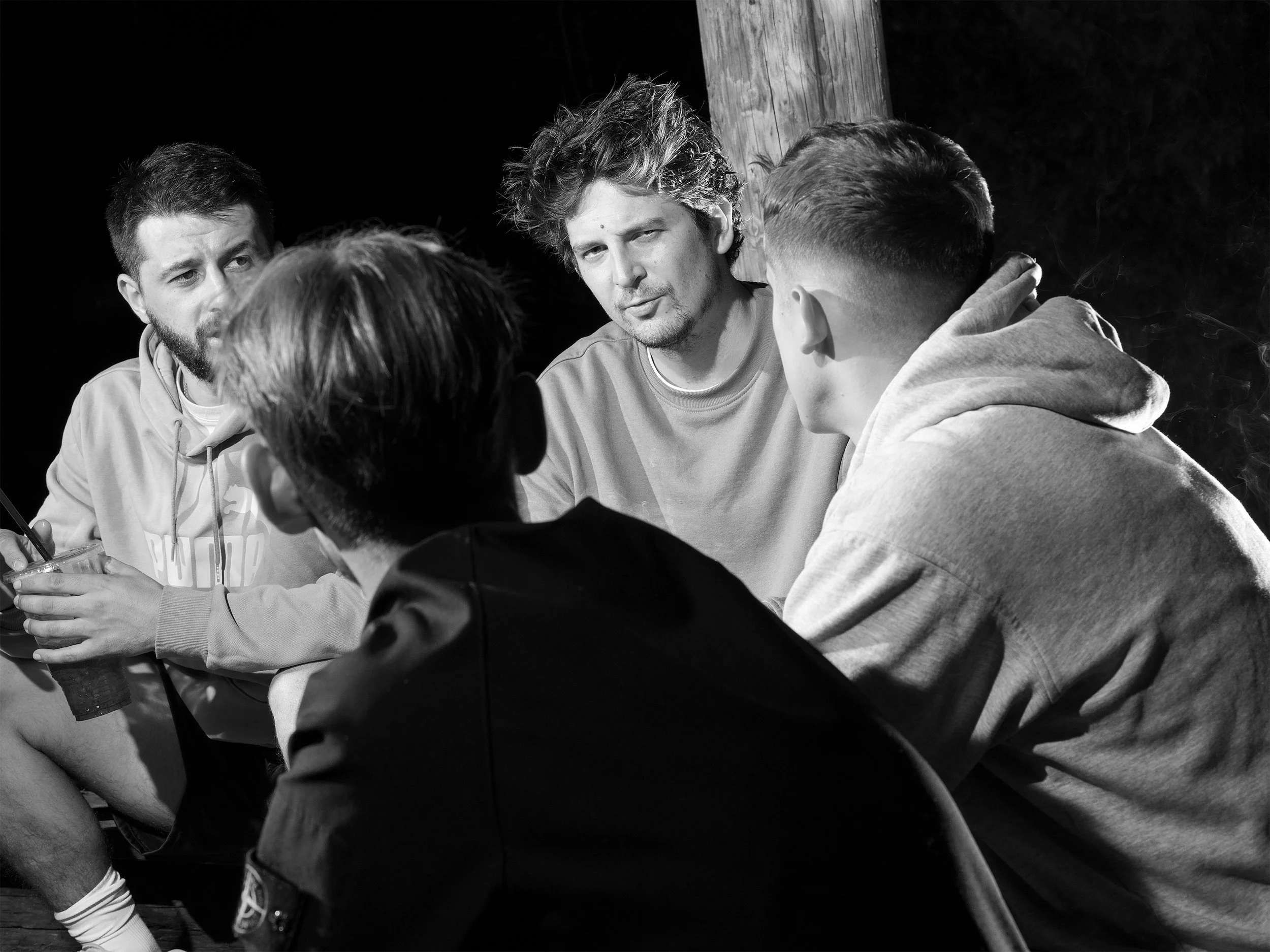
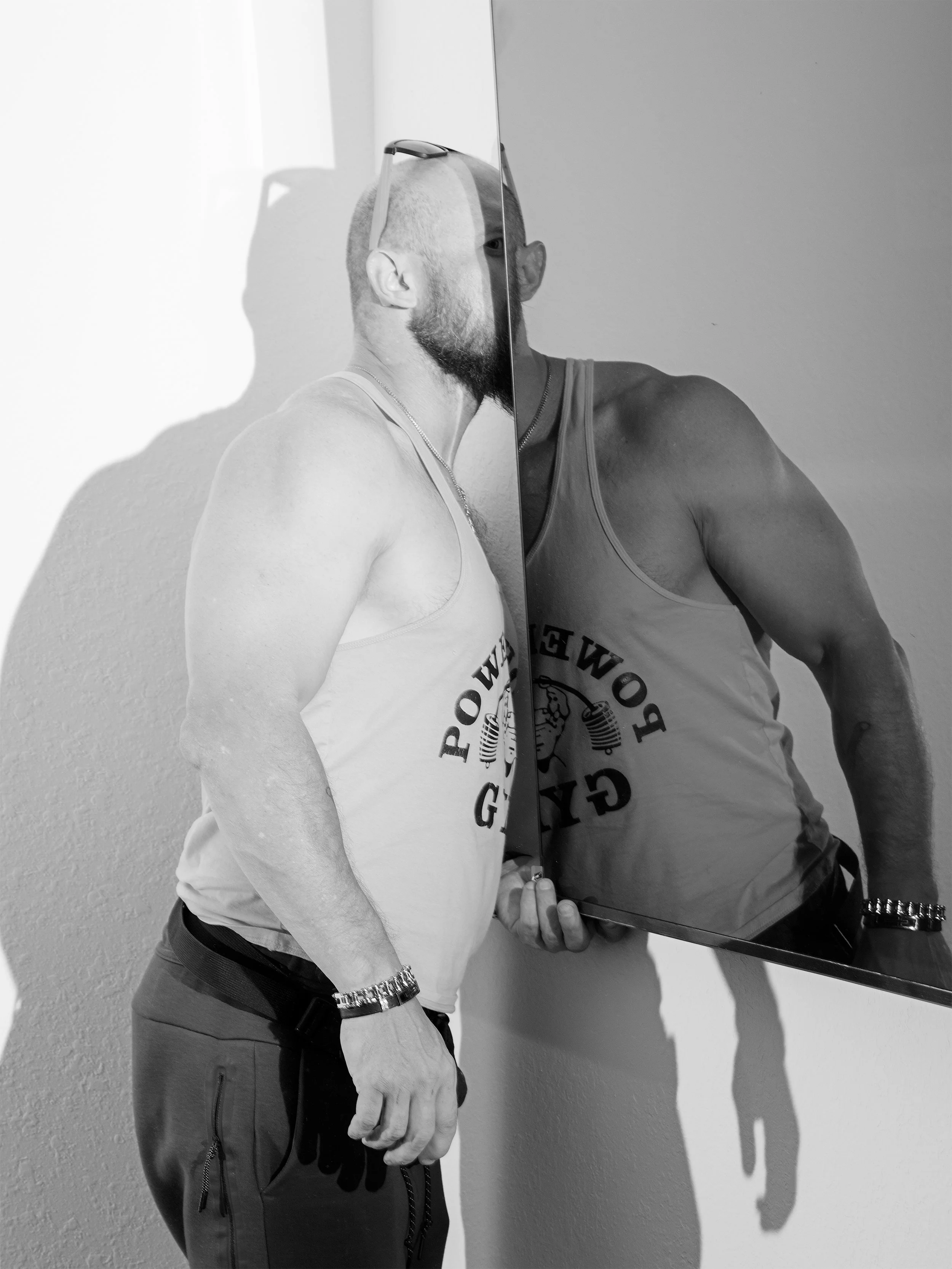
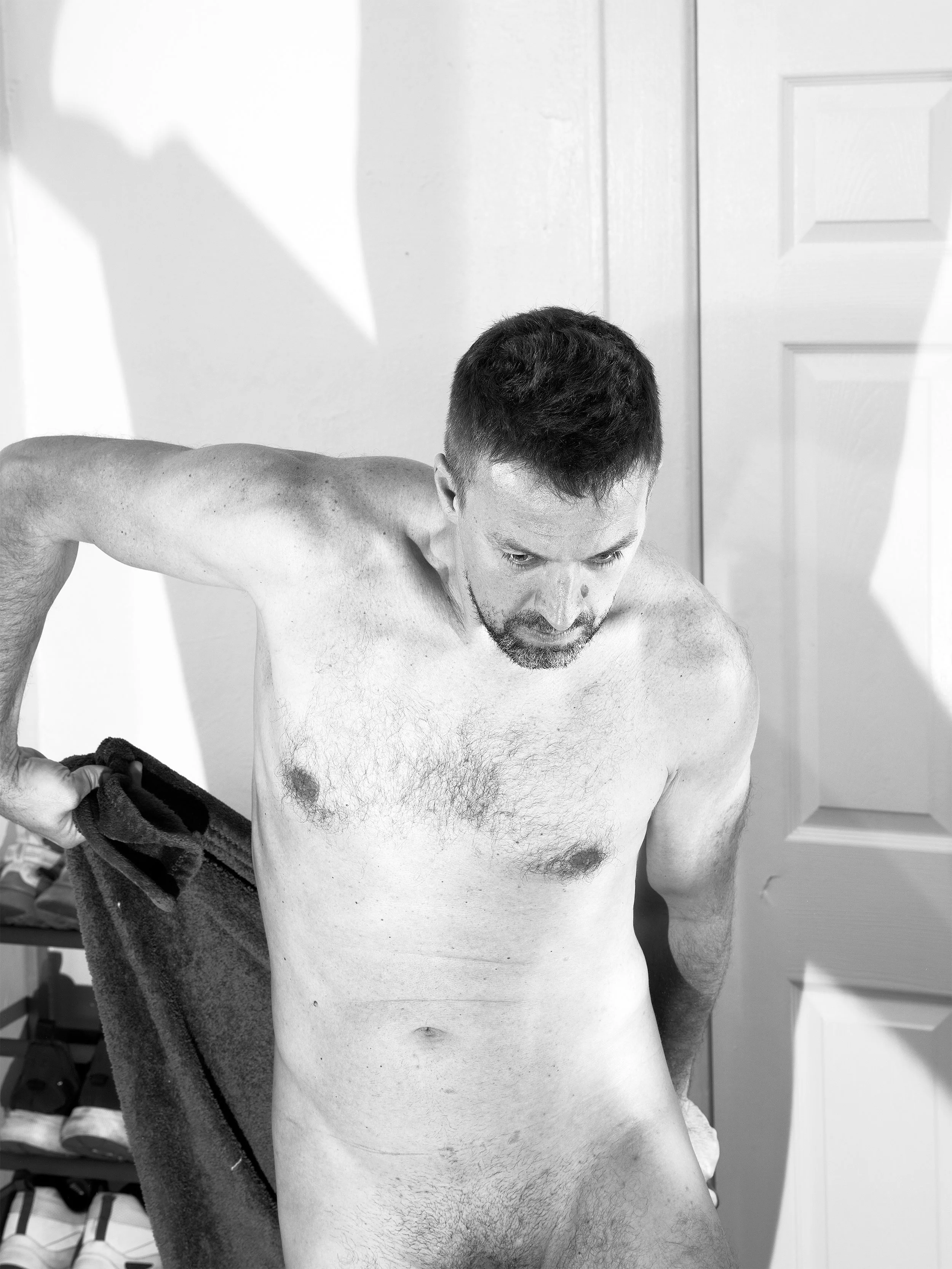
The photographs in Wayward Son, made in Massachusetts and Florida, observe immigrant Russian-speaking communities in micro-detail, encapsulating the space of appearances as a nostalgia haven wherein timelines are fractured. Many of these encounters originate in anonymous digital channels – primarily Telegram groups – where newcomers search for housing, legal advice, emotional solidarity, or simply the comfort of a familiar language. The cultural unity of this space allows an ephemeral escape from unwanted reality, yet its evanescence prolongs intense emotional tension with the “real world”. The space of appearances artificially satisfies the inherent human desire to be seen, thereby keeping figures sane, but submits them to the unfeasibility of proper assimilation. At the same time, the work recognizes the courage required to inhabit life under displacement and persist in spite of all odds. By attending to this dichotomy, Wayward Son captures feelings of celebration and contemporaneous melancholy, apprehending the figures’ infinitely complex world.
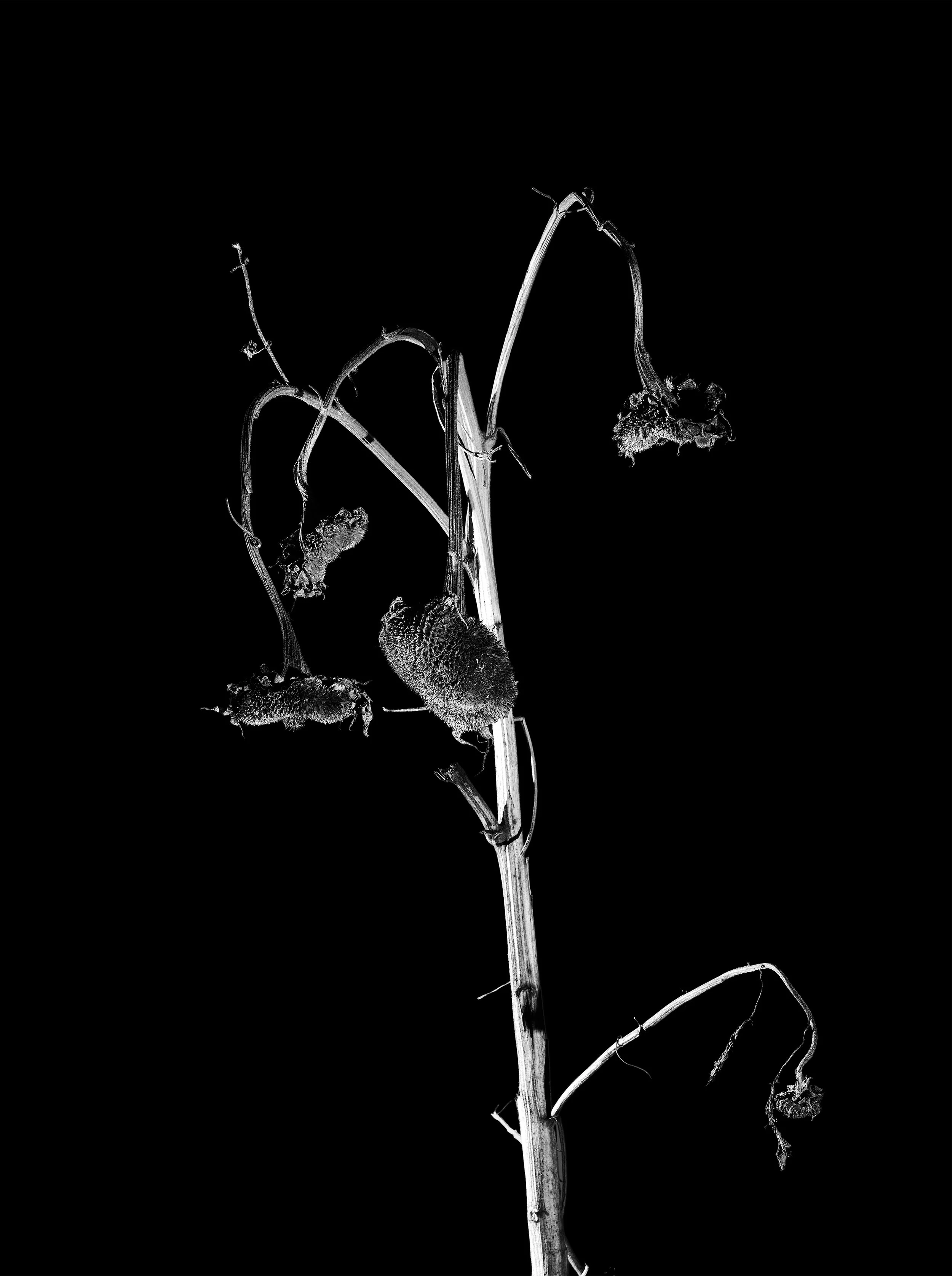
Ultimately, Wayward Son views displacement as the slow work of re-rooting after being pulled from the ground. People don’t grow back in neat lines or predictable forms. They take hold where the soil is loose enough to let them breathe – and hide where the sun is too bright to survive. The work holds this image while simultaneously pressing against it and entertaining doubts – must adaptation require concealment? Is it ever possible to adjust to a new sun without burning – to outlive predestined familiar habits in an increasingly demanding world?